Russia Expands African Influence as Governments Pursue Strategic Partnerships
By NGN News Desk
Published: October 31, 2026
MOSCOW – Russia is intensifying efforts to strengthen its political, military and economic influence across Africa as its war in Ukraine continues, while several African governments are expanding cooperation with the Kremlin to advance their own national interests.
The growing relationship reflects changing geopolitical priorities on the African continent. Moscow is seeking diplomatic partners, international support and access to strategic resources, while African governments are looking for security assistance, investment, military equipment, energy cooperation and greater flexibility in their international relationships.
Russia Steps Up Its Diplomatic Outreach
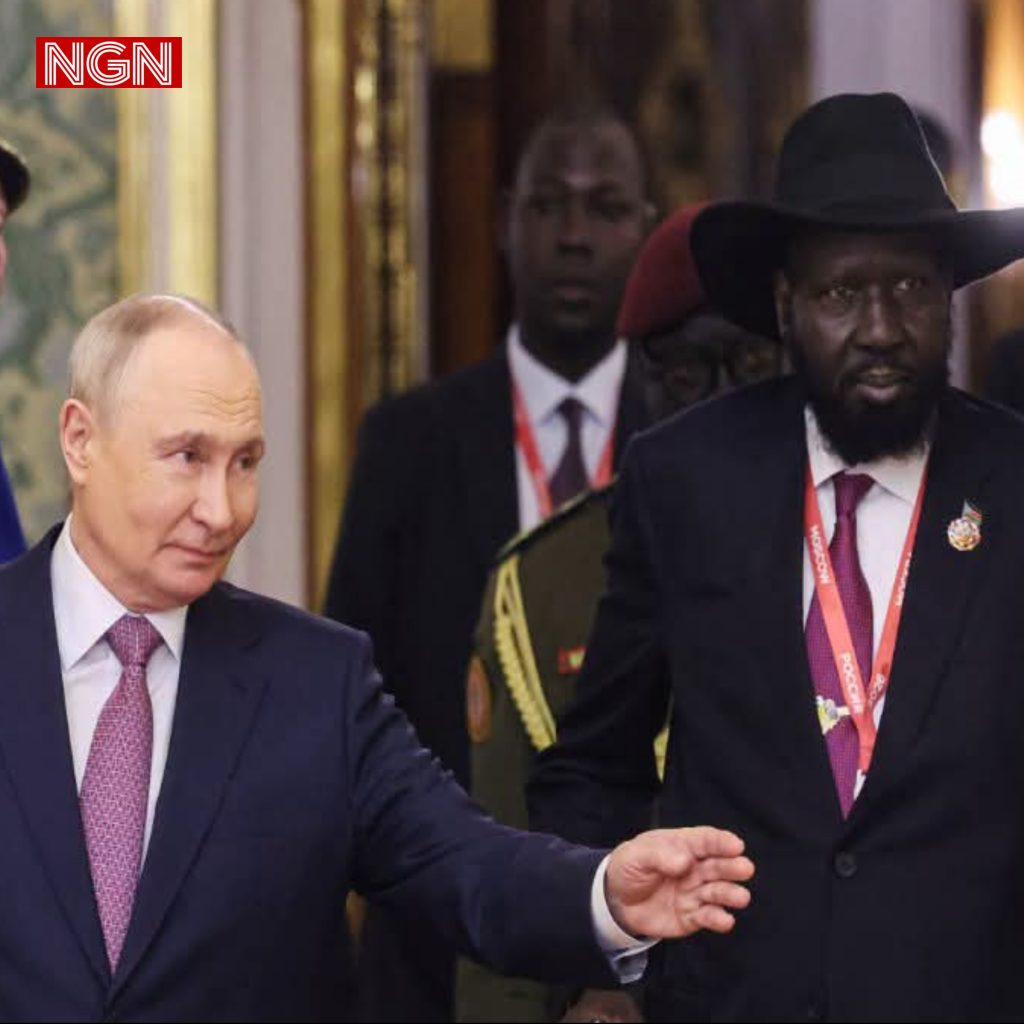
Russian President Vladimir Putin hosted the third Russia-Africa Summit in Moscow on October 28 and 29, bringing together delegations from 48 African countries, including 22 national leaders.
During the gathering, Putin presented Russia as an alternative international partner and criticized Western countries for what he described as continuing economic exploitation of Africa. He also called for a stronger African voice in international financial institutions, including the International Monetary Fund and the World Bank.
Moscow has increasingly used diplomatic engagement with African governments to demonstrate that it maintains international partnerships despite Western sanctions and pressure related to the war in Ukraine.
Why African Governments Are Strengthening Relations
African governments have different reasons for developing closer relationships with Russia. For some administrations, military cooperation and access to weapons and security assistance are important considerations, particularly in countries facing armed insurgencies and political instability.
In parts of the Sahel, including Mali, Burkina Faso and Niger, military-led governments have moved away from traditional Western security partnerships and increased cooperation with Moscow.
Russia has expanded its security presence through military agreements, training, equipment supplies and the Africa Corps, which operates under the Russian Defense Ministry. These relationships have helped Moscow establish closer connections with governments seeking alternatives to Western military assistance.
Other African countries approach Russia from a broader diplomatic and economic perspective. Some governments want to diversify international partnerships rather than depend heavily on a single major power. Historical connections dating back to the Soviet era and shared criticism of Western dominance also influence relations.
Trade, Energy and Natural Resources
Economic cooperation is another important part of Russia’s African strategy. Moscow is seeking opportunities in energy production, mining, infrastructure, agriculture and technology.
Putin said during the October summit that Russia was involved in more than 30 promising energy projects across 16 African countries. Russian officials also discussed expanding cooperation in oil and gas production, transport infrastructure and agricultural development.
Grain and fertilizer supplies remain significant areas of potential cooperation, particularly for countries concerned about food security and agricultural production.
However, Russia faces economic limitations, including Western sanctions and the financial and military demands of its war in Ukraine. Its trade and investment presence across much of Africa remains smaller than that of major economic competitors such as China and the European Union.
Africa Seeks Greater Strategic Independence
African governments are not necessarily pursuing identical foreign policy positions. Their relationships with Moscow reflect different national circumstances, security challenges, economic priorities and diplomatic calculations.
For some governments, closer ties with Russia provide an opportunity to negotiate with Western countries from a stronger position. Others view Moscow as an additional source of military assistance, investment and diplomatic cooperation.
At the same time, Russia’s growing involvement has attracted criticism from Western governments and human rights organizations. Concerns have been raised about the activities of Russian-linked military personnel, resource agreements and the political consequences of security partnerships in countries experiencing instability. Moscow rejects accusations that its involvement is designed to exploit African governments.
A Growing Geopolitical Contest
Russia’s expanding engagement with Africa is part of a wider international competition involving the United States, European countries, China and other global powers.
For Moscow, stronger African relationships can provide diplomatic support, economic opportunities and a wider international presence. For African governments, cooperation with multiple global partners can offer additional options for pursuing national development and security objectives.
Whether these partnerships deliver lasting economic benefits, improved security and stronger institutions will depend on the results of individual agreements and how they serve the interests of African populations.
NGN News will continue monitoring Russia’s expanding role in Africa and the changing diplomatic relationships shaping international politics.