Federal Judges Block Trump Administration’s Demands Over Suspected Noncitizen Voters
By NGN News English | November 3, 2026
WASHINGTON — Federal judges have continued issuing rulings against the Trump administration’s efforts to pressure states into removing suspected noncitizens from voter registration lists or setting aside their ballots ahead of the November 3 midterm elections.
In a series of legal challenges, courts have questioned the administration’s methods for identifying suspected noncitizen voters and whether federal agencies have the authority to direct state election officials to take such actions.
On Tuesday, November 3, US District Judge Tanya Chutkan temporarily barred the Justice Department and the Department of Homeland Security from sending states lists of voters suspected of being noncitizens or urging officials to segregate their ballots until citizenship could be verified.
The ruling followed concerns raised by voting rights organizations and other groups that the administration’s actions could wrongly affect eligible American citizens, including people who had recently completed the naturalization process.
A separate legal dispute involved California, where the Justice Department identified approximately 20,000 registered voters it claimed might not be US citizens. The administration demanded that election officials separate ballots associated with those individuals and withhold them until their citizenship status was confirmed.
California officials challenged the demand, arguing that the government’s list contained potentially inaccurate information and could lead to eligible voters being disenfranchised.
Federal District Judge David Carter previously rejected the administration’s request to require California to segregate the ballots. The US Supreme Court also declined on November 2 to grant the Justice Department’s emergency request to force the state to set aside those ballots.
In another case, US District Judge James Boasberg ordered the administration to stop demanding that California election officials segregate ballots associated with people identified on federal lists of suspected noncitizens. He questioned the reliability of the lists and the federal government’s authority to impose its preferred election procedures on the state.
The administration has argued that its actions are intended to enforce federal law, which prohibits non-US citizens from voting in federal elections. However, state officials and voting rights organizations have raised concerns about the accuracy of the government’s identification process and the potential consequences for eligible voters.
The legal disputes have also involved Washington state, where federal authorities identified hundreds of registered voters they suspected might not be citizens. State election officials questioned the accuracy of the information provided by the federal government.
Although noncitizens are generally prohibited from voting in federal elections, confirmed cases of such voting are rare. The central legal issue in these cases is whether federal agencies can require states to take specific election-related actions based on government lists that state officials say may contain errors.
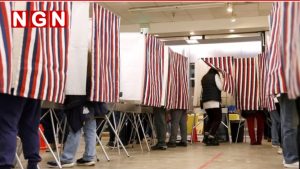
The rulings come as millions of Americans participate in the 2026 midterm elections, which will determine control of the US House of Representatives and Senate.
With multiple legal disputes still developing, the relationship between federal election oversight and the constitutional authority of individual states to administer elections remains a major issue.
NGN News English