Trump Climate Policy Rollbacks Put Environment in Focus Ahead of US Midterm Elections
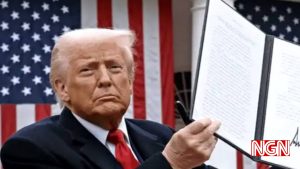
WASHINGTON, D.C. — October 30, 2026: Climate policy is drawing renewed attention ahead of the 2026 US midterm elections as the Trump administration continues to reverse several federal measures designed to address climate change and expand domestic fossil fuel production.
Among the most significant developments is the United States’ withdrawal from the Paris Agreement, the international climate accord aimed at limiting global warming. President Donald Trump ordered the withdrawal on January 20, 2025, and it became effective on January 27, 2026.
Another major change came on February 12, 2026, when the Environmental Protection Agency (EPA) repealed the landmark 2009 greenhouse gas endangerment finding. That scientific determination had established that greenhouse gases threaten public health and welfare, providing an important legal foundation for federal regulation of emissions under the Clean Air Act.
The EPA’s action also removed federal greenhouse gas emission standards for cars and trucks. Supporters of the rollback, including the Trump administration, argue that the changes reduce regulatory costs and burdens on businesses and consumers. Critics, including environmental advocates and scientists, warn that weakening these protections could make it harder to limit climate pollution and protect public health. The decision is expected to face legal challenges.
The administration has also moved to expand oil and gas development on federal lands and offshore areas. The Department of the Interior announced plans for a new offshore oil and gas leasing programme in November 2025. The Bureau of Land Management also reported holding 22 onshore oil and gas lease sales during 2025.
These measures form part of the administration’s broader energy policy, which prioritises domestic fossil fuel production. The administration argues that expanded energy development can strengthen energy security, support jobs and meet national demand.
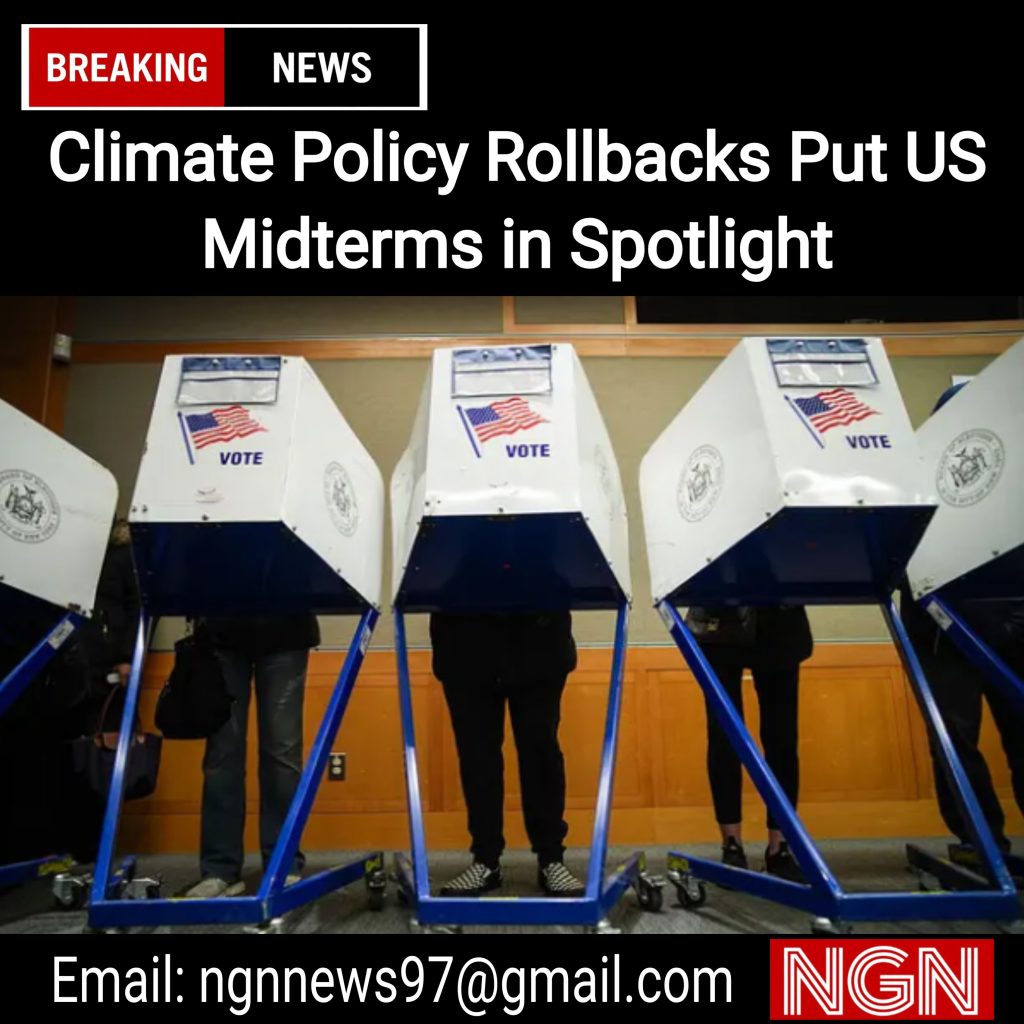
The policy changes have become part of the wider debate surrounding the November 2026 midterm elections, when voters will choose members of Congress and decide which party controls the House of Representatives and Senate. The election results could influence congressional oversight, federal spending and the direction of energy and environmental legislation during the final two years of Trump’s term.
Climate change is not necessarily the leading concern for every voter. Economic conditions, healthcare, energy prices and other issues are also shaping the election debate. However, the administration’s climate decisions have raised questions about the future of US environmental regulation, international climate cooperation and the country’s reliance on fossil fuels.
Sources
- AOL — The Key Climate Issues to Watch in the Midterm Elections
- Congressional Research Service — US Withdrawal from the Paris Agreement
- Associated Press — Trump’s EPA revokes scientific finding underpinning US climate regulation
- US Department of the Interior — New offshore oil and gas leasing programme
- Bureau of Land Management — 2025 public lands and energy development report
NGN News English will continue to follow the US midterm elections, federal climate policy and developments affecting America’s energy and environmental future.